Study 02 · Campaign creative
The redacted brief
If a claim cannot be proven, it cannot be printed.
The communication problem
What gets in the way.
A brief can accumulate superlatives, assumptions and promises that sound useful but have no evidence behind them. More claims do not necessarily create more persuasion; unsupported claims can make the credible ones harder to see.
The artifact
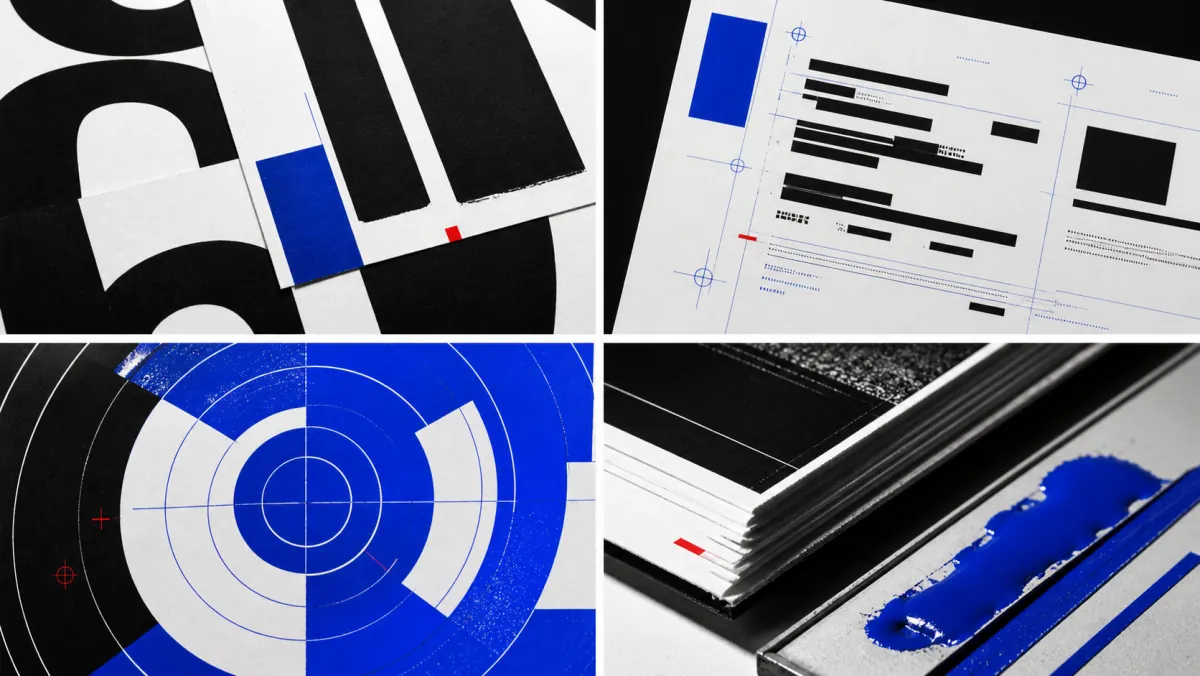
An annotated brief in which unsupported lines are visibly redacted and one usable phrase—“the part worth keeping”—remains.
The moves
Four decisions that sharpen the message.
- 01
List
Separate every factual claim from opinion, tone and creative expression.
- 02
Classify
Mark each claim as supported, supportable with work, or not ready to use.
- 03
Redact
Remove language that cannot survive a direct request for evidence.
- 04
Build
Use the strongest remaining truth as the campaign’s starting constraint.
Apply the principle
Three rules worth carrying forward.
- Separate the claim from the proof that supports it.
- Evidence constraints sharpen a creative brief.
- Removing weak language strengthens the message that remains.
Start a conversation
Have a real communication problem?
Start with the audience, the decision and what is currently getting in the way. The scope can follow from there.